

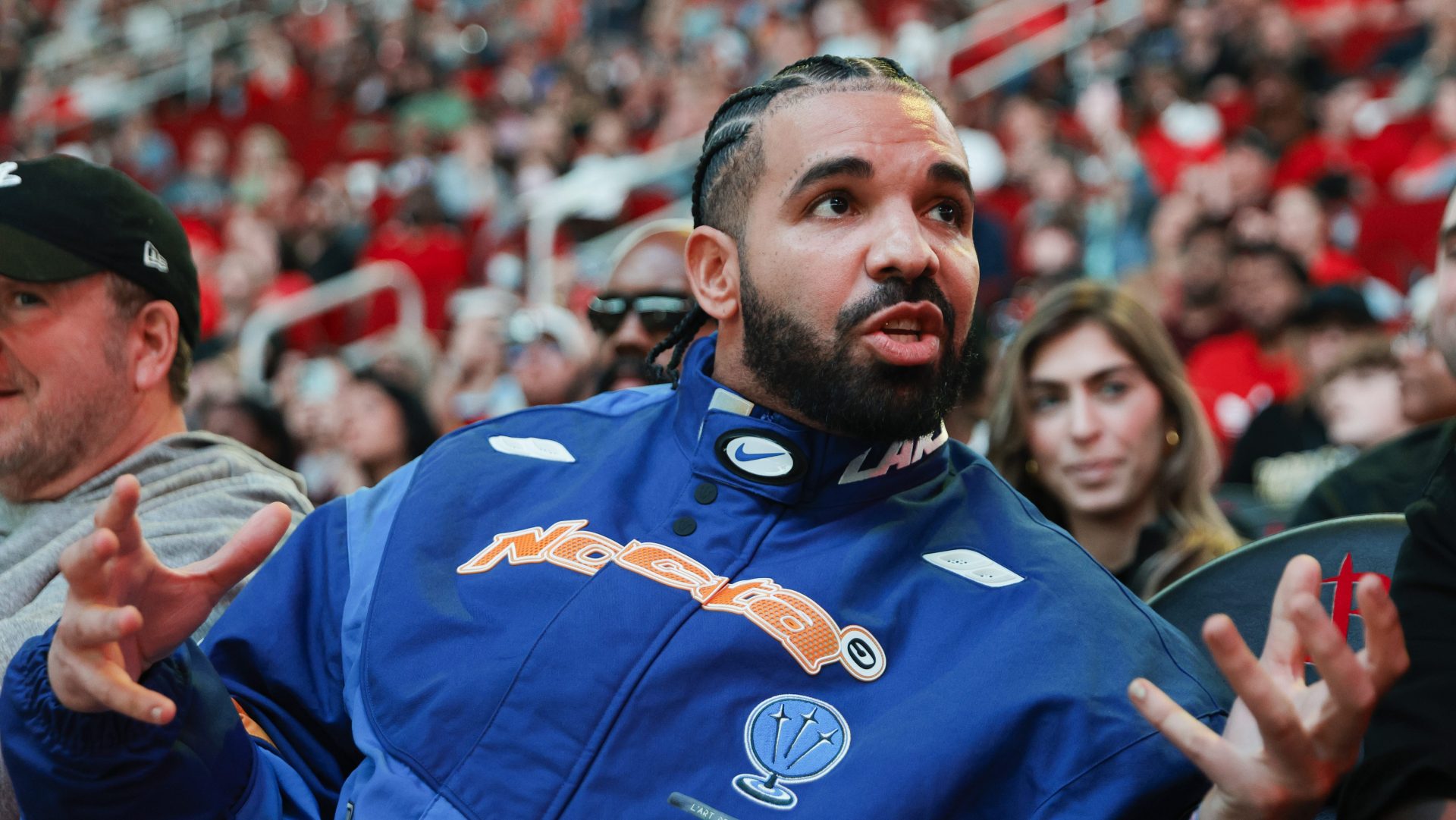
Drake’s latest trilogy release sparked immediate debate across music and sports circles, and now Jaylen Brown—a key figure in the Boston Celtics' championship push—has added his unique perspective to the conversation. The Toronto rapper rolled out three separate projects on the same day: the hip-hop focused ICEMAN, the R&B-heavy HABIBTI, and the club-oriented MAID OF HONOUR. While fans flooded social media with reactions to the massive release, many also focused on the timing behind it amid Drake’s ongoing tension with Universal Music Group (UMG).
During a recent livestream that quickly circulated across platforms like TikTok and X, Brown shared his initial impressions. “Shoutout to Drake,” Brown said. “He’s been doing his thing, having a great career. His album just dropped. I got more to listen to, I can’t even give y’all my full opinion. I gotta let it breathe.” But Brown didn’t stop there. He then explained why the rollout felt different to him compared to classic album eras.
“But like the songs that I heard was cool,” Brown continued. “But I feel like this whole album, he’s just trying to get to whatever the next part of his career is. I think he was just trying to get out of his deal, move forward. So he just dumped a bunch of music with no context.”
The comments immediately resonated because Brown’s theory mirrors what many fans already speculated after Drake suddenly delivered three projects at once—a move that seemed unprecedented even for an artist known for surprise drops. The timing of the trilogy, following months of legal disputes with UMG over royalties and contractual obligations, added fuel to the fire. According to a report from HITS Daily Double—widely cited across the industry—the trilogy could satisfy Drake’s current contractual requirements with UMG, effectively closing out his deal. The publication reported that Drake’s catalog would likely remain under Universal even if the new albums completed his existing agreement, a detail that further complicated the narrative surrounding the releases.
A Deeper Look at Drake’s Trilogy
Drake’s decision to release three distinct albums simultaneously—each with a different sonic palette—was unusual even for an artist who has consistently defied convention. ICEMAN, the hip-hop entry, leans heavily into aggressive, braggadocious bars and production reminiscent of his Scorpion and Her Loss eras. Tracks like “Frozen” and “Northside” feature sharp lyrical jabs and a cold, minimalist aesthetic. In contrast, HABIBTI—named after the Arabic term of endearment—dives into melodic R&B, with heavy influences from Middle Eastern instrumentation and themes of love, heartbreak, and longing. Songs like “Silk” and “Amira” showcase Drake’s ability to straddle genres. MAID OF HONOUR, meanwhile, is a club-focused project designed for dance floors, with uptempo beats, heavy bass, and collaborations with DJs and producers like Southside and Metro Boomin.
Critics have been divided on whether the trilogy represents a cohesive artistic statement or a hasty contractual gamble. Music journalist Jessica McKinney noted that while each album has strong moments, “the absence of a central narrative makes the trilogy feel disjointed, more like a playlist than a deliberate body of work.” That sentiment aligns with Brown’s critique, which centers on the lack of context and storytelling. Brown, no stranger to high-pressure performance and discipline, values intentionality in art—a value he developed both on the court and through his own ventures into music and fashion.
Jaylen Brown’s Call for Narrative Albums
Brown’s comments extended beyond Drake specifically. The Celtics star used the conversation to speak about what he believes modern albums are missing. “I would love to see artists paint and tell a story with their albums again,” Brown said. “From track one to the last track. Create a full piece. I feel like that era is not really emphasizing our era no more.” His remarks tap into a broader debate in hip-hop and R&B about the decline of concept albums in favor of streaming-friendly, hit-driven releases. Artists like Kendrick Lamar (good kid, m.A.A.d city), Beyoncé (Lemonade), and even Drake himself (Take Care) have historically excelled at weaving narratives through their projects. Brown’s critique suggests that even legacy artists may be prioritizing output over artistry under the pressure of label demands.
Even while criticizing the structure behind the release, Brown made it clear he still respected Drake’s legacy and catalog. “That’s just my thoughts,” Brown added. “Take it with a grain of salt. Shoutout to Drake.” That balanced tone is typical of Brown, who has often used his platform to discuss complex topics ranging from financial literacy to social justice. His basketball career has been defined by constant improvement—he earned NBA All-Star honors, was named Finals MVP in 2024, and has become a vocal leader in the league. His perspective carries weight because he is known as a thoughtful, introspective athlete who consumes music and pop culture critically.
The UMG Tension and Contract Speculation
The contract speculation grew even louder because Drake’s relationship with UMG already appeared strained before the albums arrived. In late 2025, the rapper pursued legal action connected to Kendrick Lamar’s diss track “Not Like Us,” alleging that UMG failed to intervene in what he considered defamatory content. Though reports indicated the appeal was dismissed, the lawsuit highlighted deep fractures between Drake and his long-time label. Since then, fans closely watched every Drake release for clues about his future with the label. The trilogy’s sudden arrival—without a traditional rollout, press cycle, or even prior announcement—fueled theories that Drake was fulfilling his contractual duties while minimizing his commitment to further projects under UMG.
ICEMAN also featured several pointed references that fueled additional headlines. Listeners identified direct or subliminal shots aimed at Kendrick Lamar, Pusha T, A$AP Rocky, and even former NBA associates like LeBron James and DeMar DeRozan. Fans also pointed to possible jabs involving J. Cole, Jay-Z, Rick Ross, Pharrell, and UMG executive Lucian Grainge. These barbs, while consistent with Drake’s competitive nature, also added a layer of narrative intrigue that partially compensates for the lack of overarching structure Brown critiqued. Yet, Brown’s point remains: the sheer volume of disses and thematic chaos can detract from a cohesive artistic vision.
The cultural impact of the trilogy cannot be understated. Within the first 48 hours, the three albums collectively broke streaming records on platforms like Spotify and Apple Music. Fans and critics alike are still unpacking the lyrics, production credits, and hidden meanings. Some commentators argue that Drake intentionally created a “noise storm” to distract from the underlying contract disputes—a strategy not unfamiliar in the music industry. Others believe the trilogy represents an artist unshackled from commercial expectations, experimenting freely before a likely departure from UMG.
Whether the trilogy truly marks the end of Drake’s Universal era remains unclear. What does appear certain is that the release generated exactly the kind of attention Drake thrives on. Between the streaming numbers, contract theories, and reactions from figures like Brown, the conversation surrounding ICEMAN and its companion projects continues to grow. Brown’s perspective adds a unique layer: that of an elite performer who understands discipline, timing, and the importance of leaving a legacy beyond statistics or sales. His call for storytelling is a reminder that even in an era of rapid content consumption, depth and intentionality still matter to audiences across all fields.
Source:HEAVY News