

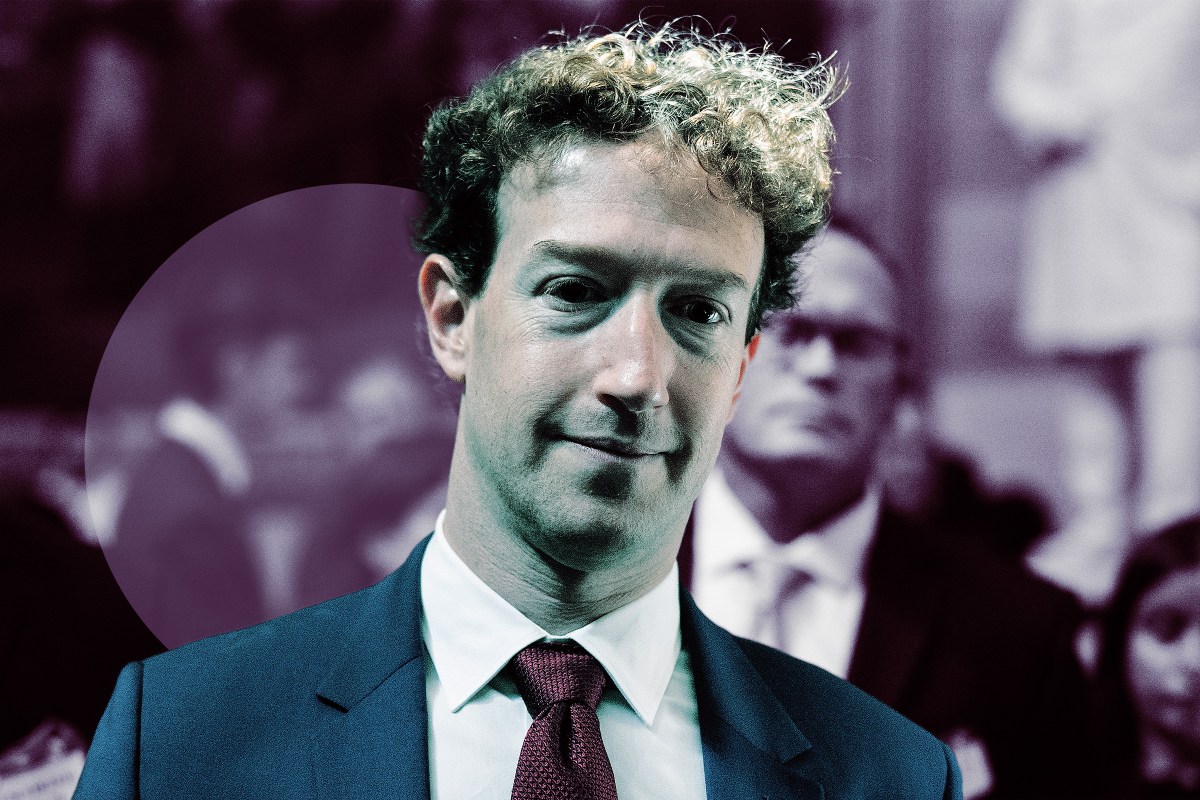
Mark Zuckerberg's all-in bet on artificial intelligence has come with a steep price for Meta's employees. Over the past year, the company has laid off thousands of workers while simultaneously introducing sweeping measures to monitor and control how remaining staff use their computers. The goal: to train AI models on human behavior and push employees toward maximum AI adoption. But the approach has backfired, fueling widespread resentment, plummeting morale, and a quiet exodus of talent.
Layoffs and the AI-First Mandate
In early 2025, Meta announced it would cut roughly 8,000 positions, bringing the total number of layoffs since late 2022 to over 25,000. The company framed these cuts as necessary to reallocate resources toward AI development. Meta's head of human resources, Janelle Gale, explained in an internal message that the layoffs would “offset the other investments we're making” — namely, the $145 billion the company plans to spend this year, largely on data centers and AI infrastructure.
These cuts have created an atmosphere of insecurity. Employees who remain are under intense pressure to demonstrate their value by using AI tools extensively. Meta now tracks how often each employee uses its internal AI coding assistants and agents. Those who fail to hit usage targets risk negative performance reviews. This is part of a broader “AI Transformation Weeks” program, during which Meta sent staff a series of training sessions to learn how to work with AI agents. The company also launched an internal dashboard that monitors AI tool usage in real time.
Mouse and Keyboard Tracking Sparks Outcry
The most controversial initiative, however, involves direct surveillance. Last month, Meta leadership announced it would begin collecting mouse and keyboard inputs from tens of thousands of corporate laptops. The stated purpose is to teach Meta's AI models “how people actually complete everyday tasks using computers.” Employees immediately saw the move as a privacy violation. One engineering manager wrote on an internal forum that the program made them “super uncomfortable” and asked how to opt out.
Meta chief technology officer Andrew Bosworth responded bluntly: “There is no option to opt-out on your corporate laptop.” That comment received over 100 angry and surprised emoji reactions from employees. Another staffer told Bosworth, “Your callousness to the concerns of your own employees is concerning.” Bosworth insisted the data is “very tightly controlled” and there is no risk of leakage.
Despite these assurances, the backlash has been fierce. Many employees see the tracking as a thinly veiled attempt at workplace surveillance — a tool to monitor productivity and potentially justify further layoffs. Meta maintains that the data is used solely for AI training and not for performance evaluation, but the lack of an opt-out option has eroded trust.
The Rise of AI Agent Proliferation
Ironically, Meta's AI push has created a new set of internal challenges. So many AI agents now operate within the company that employees have started building agents to find and rate other agents. The workplace has become a meta-layer of automated interactions. Some employees worry that their roles will eventually be automated entirely, while others have begun using AI to shield themselves from burnout by letting agents handle routine tasks.
But for many, the constant pressure to adopt AI — combined with the fear of being replaced by it — has become demoralizing. An internal post by one Meta employee described the environment as “incredibly demoralizing.” Multiple staff members told The New York Times they no longer see Meta as a place for a long-term career. Some are actively exploring new job options; others are trying to get fired in order to claim severance packages.
Wider Context: A Pattern of Neglect
This is not the first time Meta has faced backlash over its treatment of employees. The company has a long history of prioritizing growth and profits over worker well-being. During the pandemic, Meta was one of the first big tech firms to aggressively push employees back to the office, only to later reverse course. More recently, the company faced scrutiny after it was revealed that some staffers were able to access naked footage recorded by users of Meta's Ray-Ban AI glasses — and that the company's response was seen as inadequate.
The current mood at Meta is reminiscent of the aftermath of its 2022 earnings crash, when the stock plunged and Zuckerberg announced the first wave of layoffs. At that time, he told employees that “I got this wrong” and took responsibility for over-hiring. This time, the message seems different: the company is doubling down on AI at any cost, and those who cannot keep up are seen as expendable.
The broader tech industry is watching closely. If Meta's strategy succeeds, it could set a precedent for other companies to boost surveillance and demand rigid AI adoption. If it fails, it may serve as a cautionary tale about treating human workers as mere data suppliers for AI systems. Either way, the trust between Meta and its workforce has been deeply fractured.
Zuckerberg himself has turned his attention to building a photorealistic AI clone that could be used to micromanage employees from afar. For now, that project is still in development, but for many at Meta, the idea of an omnipresent digital boss is the final straw.
Source:Futurism News