

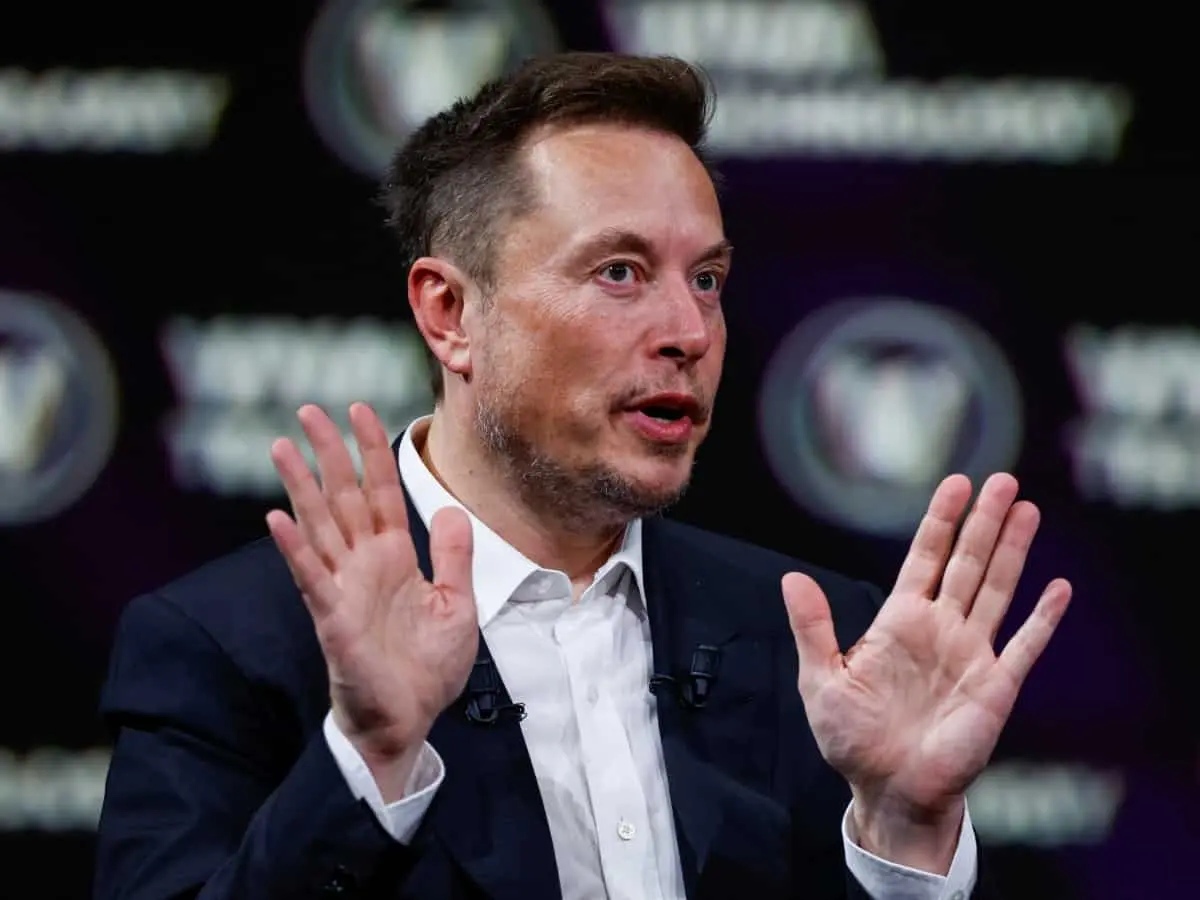
In a dramatic escalation of tensions between two of the most powerful figures in business and media, Tesla and SpaceX CEO Elon Musk has publicly demanded the immediate termination of Disney CEO Bob Iger. The demand comes in response to Disney's decision to pull all advertising from X, the social media platform formerly known as Twitter, which Musk acquired in late 2022. The dispute highlights the growing rift between major advertisers and Musk's platform, which has seen a sharp increase in controversial content and a corresponding exodus of brand dollars.
Musk, known for his combative and often impulsive style, took to X on Thursday to express his outrage. In a series of posts, he declared, "He should be fired immediately. Walt Disney is turning in his grave over what Bob has done to his company." The remark was a direct jab at Iger's stewardship of the iconic entertainment conglomerate, which under Iger's leadership acquired Pixar, Marvel, Lucasfilm, and 21st Century Fox, transforming Disney into a global entertainment juggernaut.
Background of the Ad Pullout
Disney's decision to halt advertising on X was not an isolated move. It came after Musk endorsed a conspiratorial and anti-Semitic post on the platform in mid-November, which was widely condemned by civil rights groups and prompted a wave of advertiser withdrawals. Major companies including Apple, IBM, Sony, and Warner Bros. Discovery also suspended their ad campaigns on X. Disney, one of the world's largest advertisers, joined the boycott citing concerns over the platform's content moderation and Musk's own behavior.
Speaking at the New York Times DealBook Summit, Iger explained Disney's rationale: "We just felt that the association with… Elon Musk and X was not necessarily a positive one for us." He added that Disney's brand values did not align with the direction Musk had taken the platform. Musk, who was also present at the summit, responded with a profanity-laced outburst, telling advertisers to "go f yourself" and accusing them of trying to blackmail him.
Musk's Defense and Controversies
Musk has consistently defended his management of X, arguing that he is promoting free speech and that the platform's content moderation policies are being overhauled to allow more open discourse. However, critics point to a dramatic increase in hate speech, white supremacist rhetoric, and conspiracy theories since Musk took over. According to reports from the Center for Countering Digital Hate, hate speech targeting minority groups rose sharply in the months following the acquisition. Musk himself has amplified false conspiracy theories, including the debunked Pizzagate narrative, and has reinstated accounts previously banned for hate speech, including those of former President Donald Trump and far-right figures.
The advertising boycott has dealt a severe blow to X's financial health. Advertising revenue accounts for roughly 90% of the platform's income, and the loss of major advertisers has forced Musk to seek alternate revenue streams, including subscription services like X Premium (formerly Twitter Blue) and data licensing deals. Despite these efforts, the company is reportedly facing a steep decline in revenue, with some estimates suggesting a drop of over 50% compared to pre-acquisition levels.
The Financial Stakes for X
The financial implications of the advertiser exodus are stark. Musk acknowledged at the DealBook Summit that the boycott could lead to the company's demise. "What this advertising boycott is going to do, it's going to kill the company," he admitted. Yet he deflected responsibility, blaming advertisers for attempting to stifle free speech and suggesting that they would be responsible for X's failure. This stance has puzzled many business analysts, who note that Musk's own behavior and decisions have directly contributed to the crisis.
Musk's $44 billion acquisition of Twitter was financed largely through debt, and the company now faces substantial interest payments. With ad revenues plummeting, X is burning through cash at an alarming rate. Some reports suggest that the company's value has dropped by more than half since the acquisition, and Musk has been forced to seek additional investments from existing backers. The long-term viability of the platform remains uncertain, and Musk's demands for Iger's removal are seen by some as a desperate attempt to shift blame.
Bob Iger's Legacy at Disney
Bob Iger, who served as Disney CEO from 2005 to 2020 and returned to the role in late 2022 after a brief retirement, is widely regarded as one of the most successful media executives of his generation. During his first tenure, he oversaw the acquisitions of Pixar ($7.4 billion), Marvel ($4 billion), Lucasfilm ($4.05 billion), and 21st Century Fox ($71.3 billion), transforming Disney into a dominant force in film, television, and streaming. He also launched Disney+, which quickly surpassed 100 million subscribers. Iger's strategic vision and leadership earned him a reputation as a corporate titan, and his return was seen as a stabilizing move for the company amid challenges in the streaming landscape.
Musk's attack on Iger is notable given Iger's stature. However, it is consistent with Musk's pattern of targeting prominent figures who criticize him or his companies. In 2020, Musk famously called a cave diver involved in the Thai rescue operation a "pedo guy" in a now-infamous tweet. More recently, he has engaged in public feuds with journalists, politicians, and other business leaders. Critics argue that such behavior has damaged Musk's personal brand and, by extension, the companies he leads.
Broader Implications for Social Media and Advertising
The conflict between Musk and Disney underscores a larger tension in the digital advertising ecosystem. Advertisers are increasingly concerned about brand safety and the environments in which their ads appear. The rise of controversial content on platforms like X, along with decisions by platform owners to amplify divisive voices, has led many brands to reassess their spending. This trend is not unique to X; platforms like Facebook and YouTube have also faced advertiser boycotts over hate speech and misinformation. However, Musk's provocative leadership has accelerated the exodus from X.
Industry experts note that the loss of major advertisers like Disney could have a domino effect, prompting other brands to follow suit. Small and mid-sized businesses, which may rely on the platform for targeted advertising, could also be affected. The broader implications for the social media industry are significant: if X fails, it could reshape the competitive landscape, potentially benefiting rivals like Bluesky, Threads (Meta), and Mastodon. However, Musk has hinted at launching a legal battle against advertisers and industry groups, alleging an illegal boycott coordinated to harm the platform. Such a move could have antitrust implications and further escalate the conflict.
Musk's Response to Criticism
Throughout the turmoil, Musk has remained defiant. He has accused mainstream media of bias and argued that advertisers are bowing to pressure from activist groups. In a series of tweets, he wrote, "The current system of content moderation and advertising on social media is broken. I am building a better one." Despite these claims, concrete improvements to X's content moderation or advertiser relations have been slow to materialize. The platform has seen an increase in spam, bots, and low-quality content, further eroding user trust and advertiser confidence.
Musk's demand for Iger's firing is likely to fall on deaf ears at Disney's board, which has publicly supported Iger's leadership since his return. Disney's stock has performed relatively well in 2023, driven by cost-cutting measures and a focus on streaming profitability. Moreover, Iger has taken steps to address the company's challenges, including a restructuring of its media and entertainment divisions. Musk's outburst, while attention-grabbing, is unlikely to derail Iger's tenure.
Nevertheless, the episode highlights the volatile nature of Musk's stewardship of X. His willingness to attack major advertisers publicly risks further alienating the very partners the platform needs to survive. Whether X can recover from this crisis remains to be seen, but the stakes could not be higher. As Musk himself admitted, without advertising revenue, the company faces an existential threat.
The feud between Musk and Iger is emblematic of a deeper cultural and economic divide in the tech and media industries. On one side stands Musk, the self-styled champion of free speech with a penchant for chaos. On the other stands Iger, the corporate steward of an entertainment empire built on family-friendly values. Their clash is not just personal; it reflects opposing visions of the internet's future and the role of corporate responsibility in the digital age.
Source:Zee Business News